In a year of global uncertainty, Freudenberg’s 2025 performance reflects resilience and a clear focus on growth markets like India and China. While global sales saw a marginal dip to €11.73 billion—largely due to currency fluctuations—the company continued to focus on long-term fundamentals: innovation, cash strength and strategic expansion.
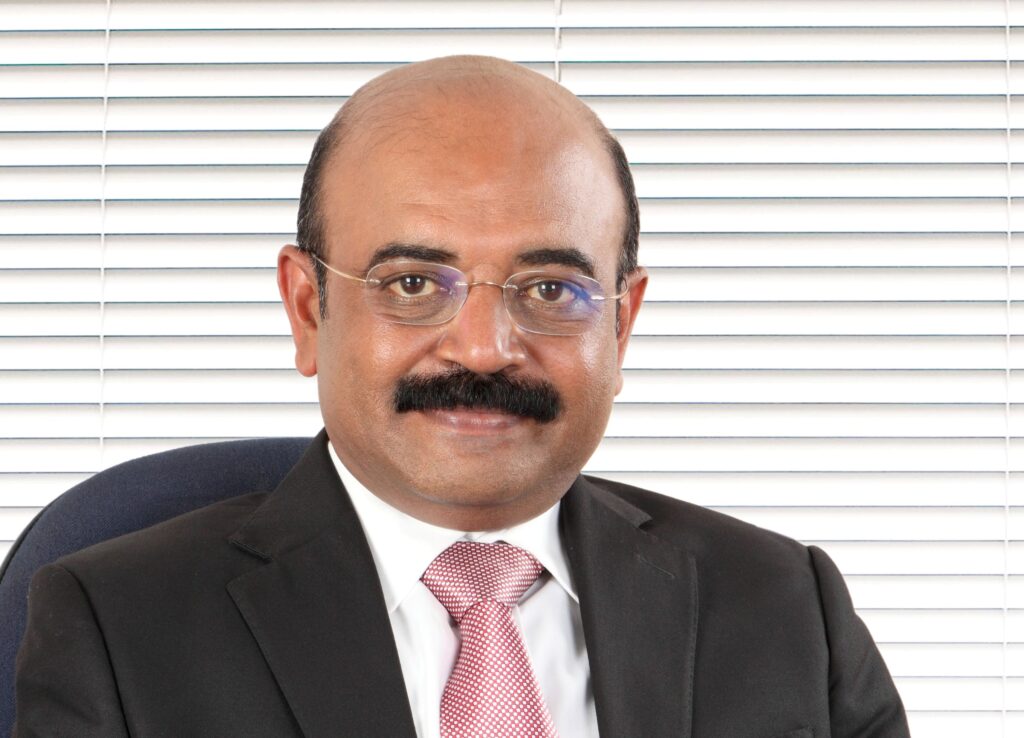
The 1.8% decline in revenue was not a reflection of weakening demand, but rather the impact of currency movements, particularly the USD and Chinese Renminbi, said, Mr. G. Sivasailam, Director and CEO – Freudenberg Regional Representative, India. At a media briefing today, he said, despite this, the global company maintained strong financial health, posting €1.09 billion in operating profit and generating nearly €1 billion in cash. Its operating margin remained stable at 9.3%, while business equity strengthened to 57.1%, underlining a solid balance sheet.
However, the company continued investments as nearly €579.5 million—about 4.9% of its sales—was reinvested into research and development. This focus on innovation remains central to its strategy, with around 35% of its revenues consistently coming from products developed in the last four years. It is a clear indication that growth is being built not just on scale, but on new ideas, he pointed out. The group is also accelerating the use of artificial intelligence across R&D and production, with plans to invest around €200 million in AI-driven initiatives by 2028.
Against this global backdrop, India has emerged as a strong growth engine. With operations spanning eight business groups, Freudenberg’s India business reported revenues of around ₹4,427 crore in 2025. More importantly, India continues to deliver double-digit profitability—outperforming global averages and contributing positively to overall performance, he noted.
The company’s presence in India is both deep and diverse, covering sectors such as automotive, energy, medical, textiles and consumer products. Among these, automotive remains the largest contributor, accounting for over 40% of its India revenues. From sealing solutions and vibration control systems to filtration and surface technologies, Freudenberg plays a critical role across the automotive value chain, he noted.
As the industry transitions towards electrification, the company is aligning its portfolio accordingly. It is developing components for electric powertrains, advanced NVH solutions and lightweight materials aimed at improving vehicle efficiency and range. A recent investment of ₹250 crore in a new facility in Chandigarh further signals its confidence in India’s automotive potential.
Beyond automotive, new growth avenues are also taking shape. The energy sector—particularly renewable and sustainable solutions—is emerging as a key focus area. Technical textiles, too, are expected to see increased traction, reflecting changing industrial and consumer needs.
Freudenberg’s global partnerships with leading OEMs also provide a strategic advantage in India, especially as international players expand their footprint in the country. Looking ahead, the company plans to continue investing in India with a long-term view—expanding its reach, strengthening R&D-backed manufacturing and deepening collaboration with customers. In many ways, while mature markets face slower growth, India and China are emerging as key pillars supporting Freudenberg’s global momentum, he added.