Even as challenges persist, the opportunity is vast. With rising demand across food, pharma, and quick commerce, the need for reliable, tech-driven logistics is accelerating.
For years, Coldstar Logistics has built its reputation on one clear promise—keeping supply chains running smoothly through its strong temperature-controlled network. But now, the company is beginning to look beyond just cold storage, taking early steps into ambient logistics to offer a more complete solution to the brands it serves.
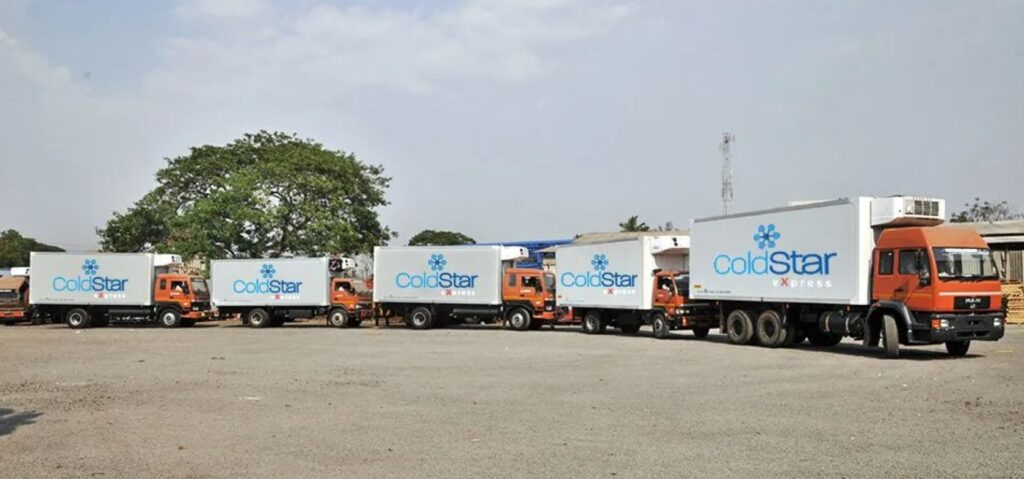
As Mr. Sameer Varma, Executive Director, explained, many businesses today need both temperature-controlled and ambient distribution. By gradually building this capability, Coldstar aims to deliver a more integrated supply chain experience—without compromising on the reliability it is known for.
In the near term, according to him, the focus remains on strengthening its core—expanding its distribution network, deepening its presence across metros and Tier-2 cities, and investing in technology and inventory planning. But the larger ambition is clear: to become a logistics backbone where, at some point in its journey, every product in India connects with the company—moving efficiently, reliably, and at scale.
Chasing Speed, Backed by Smarter Systems
As the cold chain industry evolves, the company is seeing a clear shift towards smarter, tech-driven operations. Real-time temperature tracking, IoT-enabled systems, and data-led planning are no longer optional—they are becoming the backbone of modern logistics. At the same time, the rise of quick commerce and direct-to-consumer food brands is pushing supply chains to become faster, more flexible, and far more responsive.
But speed comes at a cost. With 10–30-minute deliveries, margins are tight and expectations are high. “For quick commerce players to achieve long-term financial stability, the focus has to shift from pure speed to operational efficiency and demand density. This means improving inventory planning, dark store utilisation, and delivery route optimisation, while ensuring that fulfilment centres are placed strategically to reduce last-mile costs. Technology-driven forecasting also plays a big role in minimising waste and stock-outs,” he said.
From Coldstar’s perspective, the aim is to ensure consistent temperature control, reliable replenishment, and high fill rates—so that brands can operate lean, yet never fall short.
Where Speed Meets Discipline
The company believes that speed isn’t about rushing—it’s about removing friction. It focuses on getting the basics right: placing warehouses strategically, keeping inventory flows predictable, and aligning replenishment closely with demand. When these pieces fall into place, speed becomes a natural outcome, not something forced.
Equally important is “process discipline,” he said, adding that standardised processes, real-time monitoring, and clear escalation systems ensure that operations run smoothly across locations. Technology quietly supports this, tracking everything from temperature to equipment health, helping teams act before problems arise. “Ultimately, the balance between speed and efficiency comes from predictability and planning. When operations are structured correctly, speed becomes a natural outcome rather than something that needs to be forced,” he mentioned.
This approach becomes critical when it comes to avoiding stock-outs. For Coldstar, it all comes down to visibility and coordination—knowing exactly where inventory sits, how it’s moving, and when it needs to be replenished. By combining real-time data with close collaboration with clients, the company ensures products are always available, especially in fast-moving and perishable categories.
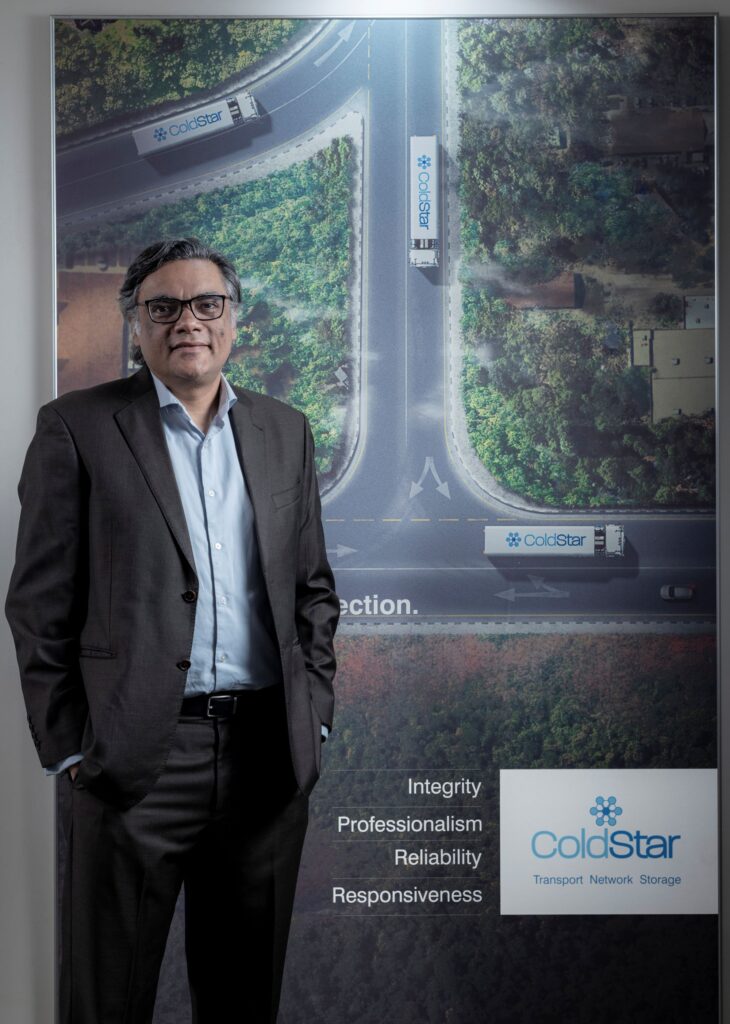
Supporting all this is a hybrid fleet model. A mix of owned and partner vehicles gives the company both control and flexibility—ensuring high standards are maintained while still being able to scale quickly when demand rises. In the end, it’s a simple idea – when planning is sharp and systems are disciplined, both speed and reliability follow naturally, he explained.
Keeping the Cold Chain Truly Cold
The company asserts that quality starts well before a shipment leaves the facility. It starts with choosing the right equipment—working with trusted manufacturers to ensure every reefer container meets strict standards from day one.
But the real work happens on the move. Regular maintenance, routine checks, and continuous temperature monitoring ensure that every unit performs exactly as it should. Any deviation is caught early, before it becomes a problem. The aim is to maintain a steady, controlled environment from warehouse to final delivery—so that product quality is never compromised, no matter the distance.
Building People Power for a Fast-Moving Industry
Behind every efficient supply chain is a workforce that keeps it running—and managing that workforce is no easy task. With rising attrition, fluctuating demand, and increasing pressure around safety and compliance, logistics today is as much about people as it is about systems.
The company’s focus is on creating stability through structure. Clear processes, safe working conditions, and strict adherence to regulations help build trust among teams. At the same time, flexible workforce planning allows operations to scale up or down without disrupting stability.

Training plays a key role too. By continuously upskilling teams and treating them as skilled professionals rather than just labour, the company is working to reduce attrition and improve long-term engagement. “Ultimately, sustainable operations come from treating logistics workers as skilled professionals rather than interchangeable labour. When companies invest in people, attrition naturally reduces,” Mr. Varma pointed out.
Built on Trust, Powered by Scale
In the long run, success in cold chain logistics won’t come from growing fast—it will come from getting the basics right, consistently. For the company, that means building strong infrastructure, following disciplined processes, and using technology to ensure products are delivered safely, on time, and in perfect condition. Because in this business, trust is everything.
That trust is backed by scale. With over 26 distribution centres, reaching 200+ cities and 7,000 PIN Codes, it has built a network designed for speed and precision. Its facilities handle multiple temperature zones, allowing everything from dairy to frozen foods to move through the same system without compromising quality.
The industry itself is evolving. While infrastructure and awareness have improved, challenges like fragmentation and standardisation still remain. But with rising demand and higher customer expectations, the shift towards more organised, tech-driven logistics is already underway—and companies that stay reliable will lead the way.
Despite these challenges, the opportunity ahead is massive. As demand for cold and ambient logistics grows across food, pharma, and quick commerce, the need for reliable, tech-enabled supply chains is only increasing. For companies that can adapt quickly and build at scale, the future of logistics in India looks wide open, he concluded.