In a nation racing toward advanced mobility and connected infrastructure, the company is playing a pivotal yet subtle role in building roads that sense conditions, support drivers, and enable intelligent movement.
India’s transportation ecosystem is undergoing its fastest evolution yet, and 3M India has become one of the behind-the-scenes forces enabling this shift. By combining material science with intelligent road technologies, the company is supporting the development of safer and more connected mobility infrastructure. Its portfolio spans high-performance bonding solutions, technology-driven traffic management tools, smart parking systems, digital tolling support, reflective road materials, and durable lane-marking products — all designed to enhance the reliability and efficiency of the nation’s growing roadway network.
As India rapidly expands and upgrades its transport infrastructure through major initiatives such as Bharatmala, Gati Shakti, and the Smart Cities Mission—where thousands of projects are already operational and highway networks have grown dramatically—3M has emerged as a key collaborator for public authorities. The company’s Transportation and Electronics division partners with national and state bodies to roll out technologies that meet the country’s regulatory and safety frameworks, ensuring uniform, high-quality solutions across India’s evolving mobility ecosystem.
Mr. Pawan Kumar Singh, Director and Country Business Head – TEBG (Transportation & Electronics Business Group) 3M India, shared that the company’s advanced mobility and infrastructure solutions — including navigation systems, architectural enhancement films, fleet branding technologies, and digital message displays — are helping cities build safer, more intuitive, and visually organised public spaces. These offerings support the Smart Cities Mission by improving wayfinding, enhancing urban design, and making daily commuting smoother for citizens.
He also pointed to India’s urgent road safety concerns. Road accidents rose by over 4% in 2023, with the majority of victims belonging to the working-age population. With fatalities still far above global benchmarks, the government has strengthened its focus on safety through new regulations, updated IRC standards, and targeted measures to fix accident-prone locations.
Research shows that improvements in signage, lane markings, and safety installations can cut crashes by more than half — making these upgrades critical.
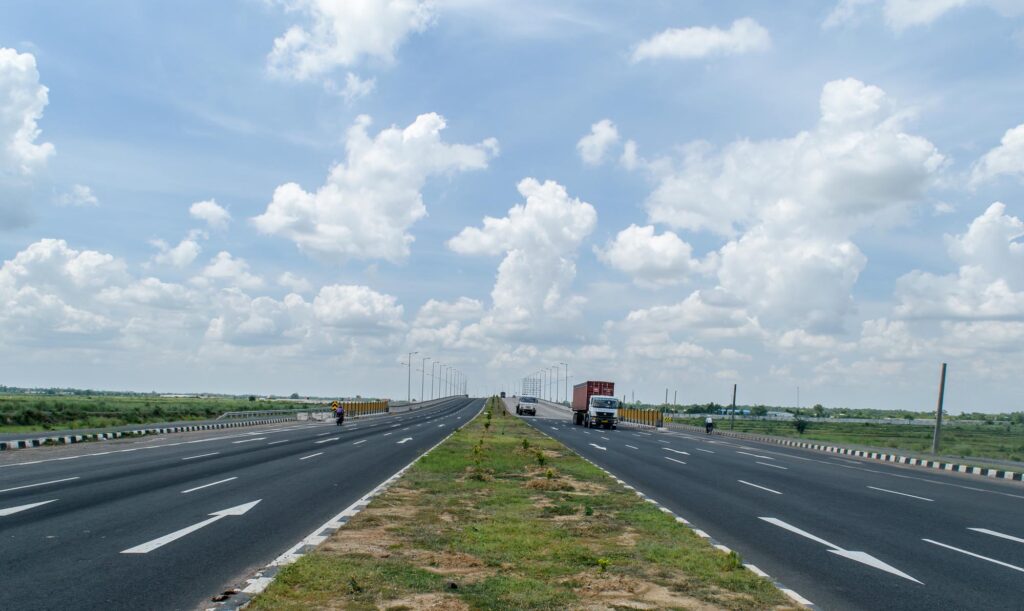
Aligned with these national priorities, 3M’s Transportation Safety team works closely with concessionaires, consultants, and authorities to ensure that safety standards are followed rigorously on highways and urban roads, helping build environments where road users are better protected and infrastructure performs consistently and reliably.
Supporting Smart Infrastructure
India’s push toward smarter highways and connected cities is creating a new kind of mobility ecosystem—one where infrastructure must think, communicate, and guide as intelligently as the vehicles on it. In this shift, 3M is emerging as a behind-the-scenes force, powering safer and more responsive roads through science-driven materials and digital tools, Mr. Singh said.
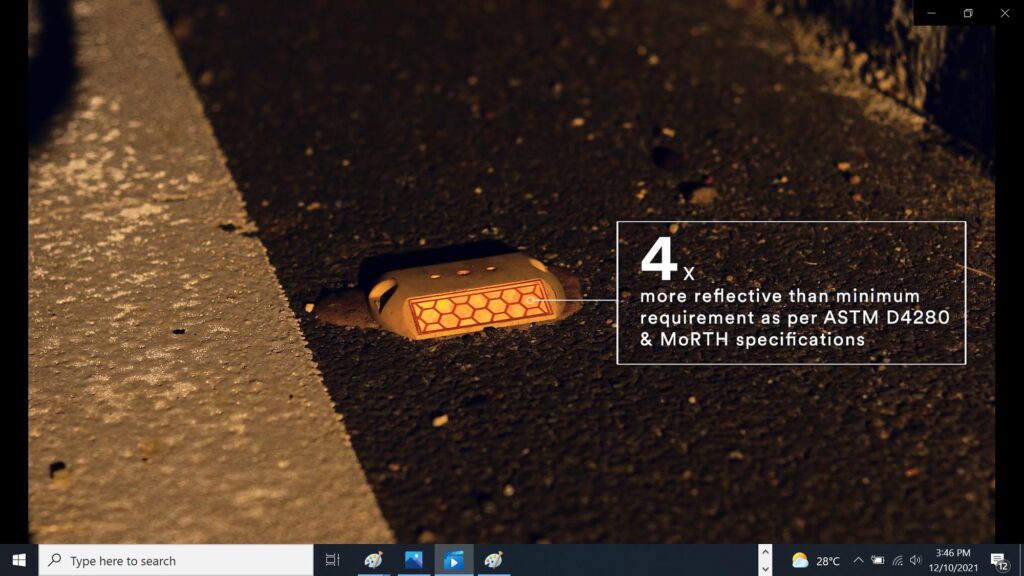
At the heart of its work is expertise in visibility technologies. Using advanced optical engineering, the company creates sign sheeting and road markings that stay bright and clear in rain, fog, darkness, or glare. These materials not only help human drivers but also support cameras and sensors in modern ADAS-equipped vehicles, ensuring that signs and markings are accurately detected even at high speeds.
Beyond physical products, the company is enabling cities and highway authorities to manage infrastructure more intelligently. Its cloud-based Roadway Safety Asset Manager allows officials to track the condition of guardrails, signs, and markings digitally, replacing manual surveys with real-time dashboards that improve maintenance planning and reduce safety risks. 3M has also built an internal sign-design platform that, if adopted nationally, could bring uniformity to road signage across India—reducing driver confusion and improving reaction times, Mr. Singh explained.
On busy corridors, digital Variable Message Signs add a layer of live communication by sharing traffic, weather, and emergency alerts pulled from sensors and GPS systems. This creates a dynamic information network that helps cities manage congestion and keep commuters informed.
As India moves toward connected and autonomous mobility, the company’s materials are being designed with machine vision in mind. Their high-contrast markings and sensor-friendly surfaces ensure that road elements are easily recognised by vehicle cameras and radars—making future navigation smoother and safer.
Mr. Singh noted that the government’s increasing focus on standardised road safety requirements through IRC, BIS, AIS, and recent MoRTH and NHAI directives has opened new possibilities.
With clearer norms and tighter compliance expectations, agencies and concessionaires are seeking durable, high-performance materials—from long-life reflective signs to rugged pavement markings and safety systems for work zones—areas where 3M’s technologies already align with global best practices.
Sustainability is also shaping the company’s approach. 3M is developing products that last longer, use fewer resources, and are made through cleaner manufacturing processes, including efforts to phase out PFAS. By strengthening visibility, reducing accidents, and supporting smoother traffic flow, these solutions contribute to lower emissions and more efficient mobility, he mentioned.
Together, these advancements show how science, digital tools, and smarter design can reshape India’s transport infrastructure—creating roads that are safer today and ready for the technologies of tomorrow.
Safeguarding Quality
India’s road safety sector faces a hidden threat: imitation products that look convincing but fail to perform when it matters most. For 3M, this isn’t merely a matter of protecting its brand—it’s about preventing accidents caused by materials that don’t meet safety norms. To address this, the company has created a strong verification and enforcement system to ensure only genuine, certified products reach project sites.
According to Mr. Singh, 3M works closely with Central and State authorities to raise awareness about inferior replicas. Through training workshops with MoRTH, NHAI, and various State agencies, engineers and contractors learn how to distinguish original materials from substandard ones. The company also uses digital tools, including an authenticity-checking app, to help field teams verify products instantly. Alongside this, 3M collaborates with legal teams to clamp down on counterfeit networks through market inspections and targeted enforcement actions.
To maintain long-term performance, the company supports routine testing with accredited government and independent laboratories. These checks validate that reflective signs and road markings retain their brightness and durability throughout their usage life. Every genuine 3M product carries a warranty certificate and full traceability, giving authorities confidence that installations meet national safety requirements.
Beyond highways, the company is also contributing to India’s fast-growing public transport ecosystem. As metros, bus corridors, and multimodal terminals expand, the company’s solutions are helping these spaces become clearer, safer, and more visually organised. Its films, graphics, and advanced signage systems improve navigation, while digital message boards keep commuters updated in real time.