Reimagined yet unmistakably familiar, the Duster returns with quiet confidence—evolved in form, intact in spirit, and ready to reclaim its place in a new era, backed by aggressive pricing and a 7-year transferable warranty.
The new Renault Duster is finally here—and this time, it feels like more than just a relaunch. As I took it out on the road, what stood out immediately was how confidently it carries forward its SUV DNA while adapting to today’s expectations.
Built on Renault’s new modular platform, it feels stronger, more purposeful, and ready for everything—from city streets to broken roads. With prices starting at ₹10.49 lakh, it clearly aims to bring back that accessible, go-anywhere appeal the Duster once owned.
As I got behind the wheel of the all-new Duster, it didn’t quite feel like a comeback. Instead, it felt familiar—like meeting an old friend again, now more refined, capable, sharper, stronger and evolved. I took the Duster out on a familiar stretch—from the foothills of Mussoorie onto NH58 towards Delhi, passing through Haridwar, looping back near Muzaffarnagar, and then heading into Rishikesh before reaching Jolly Grant Airport.
It was the perfect mix of everything—open highways, a bit of broken roads, and the usual bumper-to-bumper chaos inside the city. And that’s where the new Duster immediately made its intent clear—it has been built for exactly these conditions.
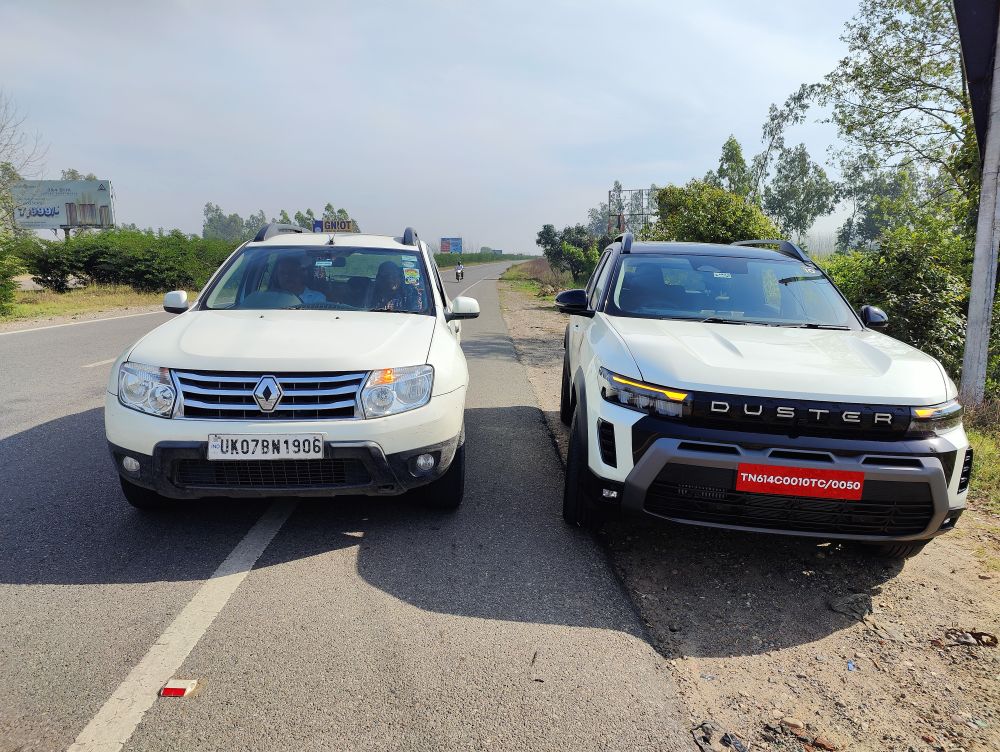
Somewhere after Haridwar, I noticed something interesting in the rear-view mirror—a white, old-generation Duster following me. I slowed down and let it pass. For a moment, it felt like I was watching the past and present come together on the same road. The white new Duster I was driving felt like it was quietly following in the footsteps of its predecessor. Curious, I signalled the driver to stop. He did, with a smile. And there we were—two Dusters, from two different generations, parked side by side (see featured photo). It felt less like a coincidence and more like a moment—one that captured how far the journey has come.
First Impression
What struck me first wasn’t the features or the design. It was the way it drove. There’s a certain honesty in how the Duster moves. The steering feels connected, giving you clear feedback from the road. Suspension tuned for bad roads. These aren’t just features, but they show how deeply this car has been thought through for India. It absorbs rough patches without fuss, yet doesn’t feel soft or floaty. On corners, the car stays planted, almost reassuring you to push a little more. It feels solid, confident—very much like the Duster people remember, but now far more refined.
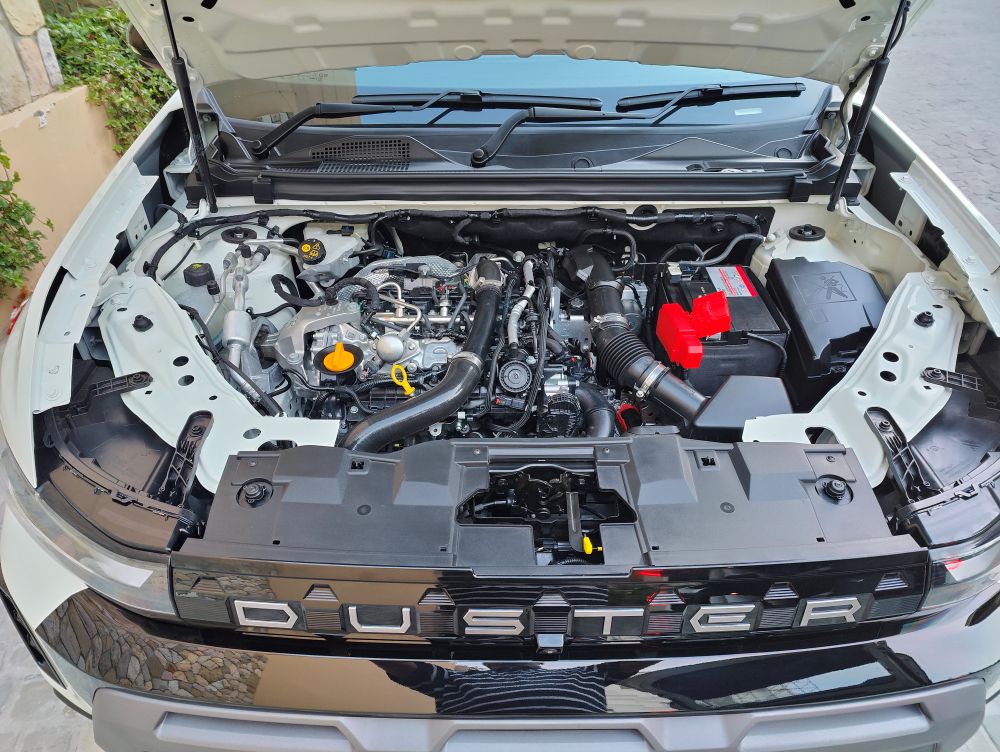
You can sense the engineering effort behind it. This isn’t just an upgrade. It’s a complete rethink. I drove the Turbo TCe 160, which puts out 163 PS and 280 Nm, paired with a 6-speed wet-clutch DCT, and it delivers exactly what you expect—quick, responsive, and energetic. Press the throttle, it doesn’t hesitate; it doesn’t feel strained. It just goes; it’s controlled power, the kind you can enjoy every day.
Interior
As I spent more time inside, the cabin started revealing its strengths. It’s quieter, noticeably so. Outside noise fades into the background, making long drives feel less tiring. The ventilated seats and strong air-conditioning are not just features—they’re practical comforts, especially in Indian summers.
And then there are the small things that make a big difference. Physical buttons for key controls. A higher seating position.
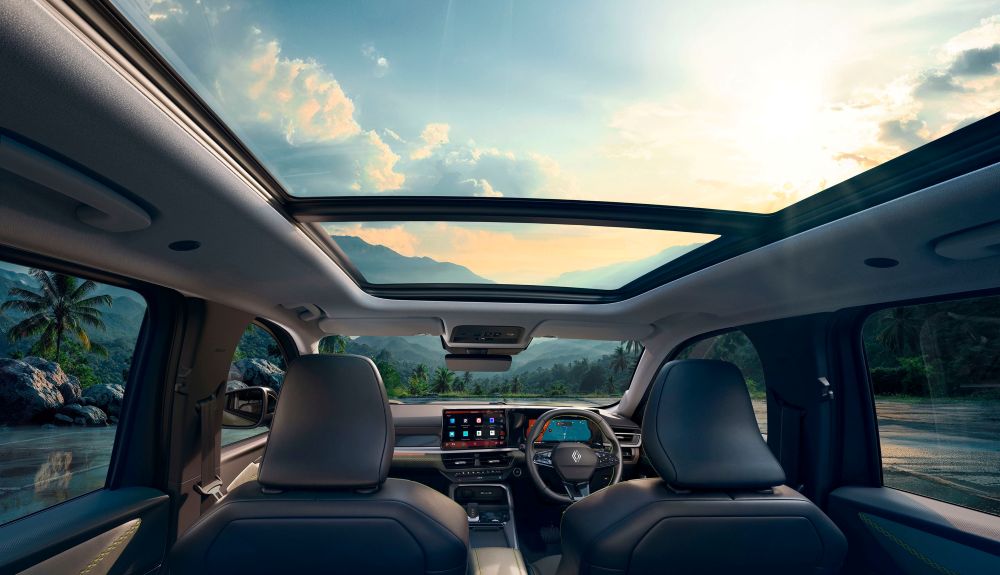
Inside the cabin, things feel modern but still rooted in the Duster’s rugged character. The layout is clearly driver-focused, with the infotainment system and the dashboard angled slightly towards you to avoid reflection during day driving. The new design steering feels nice to hold, and the overall setup feels practical.
The infotainment system works well, especially with Google built-in, but it takes a bit of getting used to. Simple things like changing ambient lighting need a few extra steps. Thankfully, the carmaker has kept physical controls for the AC, which makes life easier while driving.
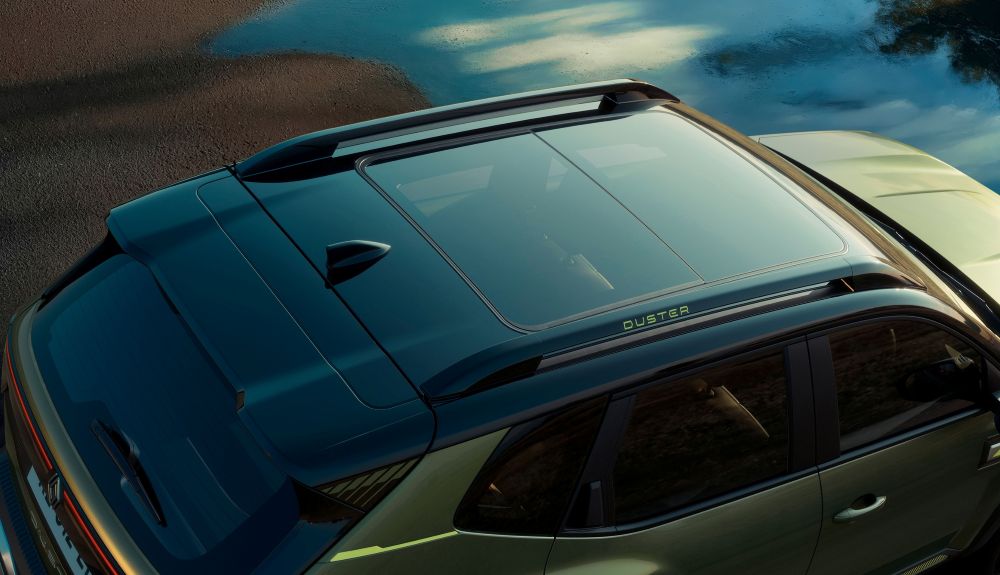
Rear seat comfort is decent, with good headroom and a relaxed backrest angle. The glass roof adds a sense of space. But the seating position at the back could have been better, especially for longer journeys.
What impressed me most, though, is how Renault has managed to keep the essence intact. The Duster still feels like a driver’s SUV. It still feels ready for a long road trip or a sudden detour. It still has that “go anywhere” confidence.
And then comes the surprise. For everything it offers—strong performance, solid engineering, and a genuinely enjoyable drive—it starts at a price that feels almost aggressive. At ₹10.49 lakh, the new Duster doesn’t just return—it challenges the segment.
As the drive went on, a few thoughts quietly stayed with me. I did find myself wanting a bit more—a diesel option, like the one the first-gen Duster was known for, for effortless highway cruising, and a proper 4×4 setup to truly bring out its off-road character. The SUV comes with only two modes – Eco and Comfort. Even a sharper, sportier drive mode would have added that extra spark when you want to push the car a little harder. However, as I drove on, those thoughts slowly faded. The Duster feels solid, easy to live with, and comfortable over long distances. It drives with confidence and fits effortlessly into everyday life. More importantly, it still carries that unmistakable spirit—the kind that makes you feel like you can take a detour, explore a new road, or just keep driving a little longer. And in many ways, that’s what the Duster has always been about. By the time I stepped out, one thing was clear. The Duster is not just back. It’s back stronger, smarter, and far more relevant than ever.
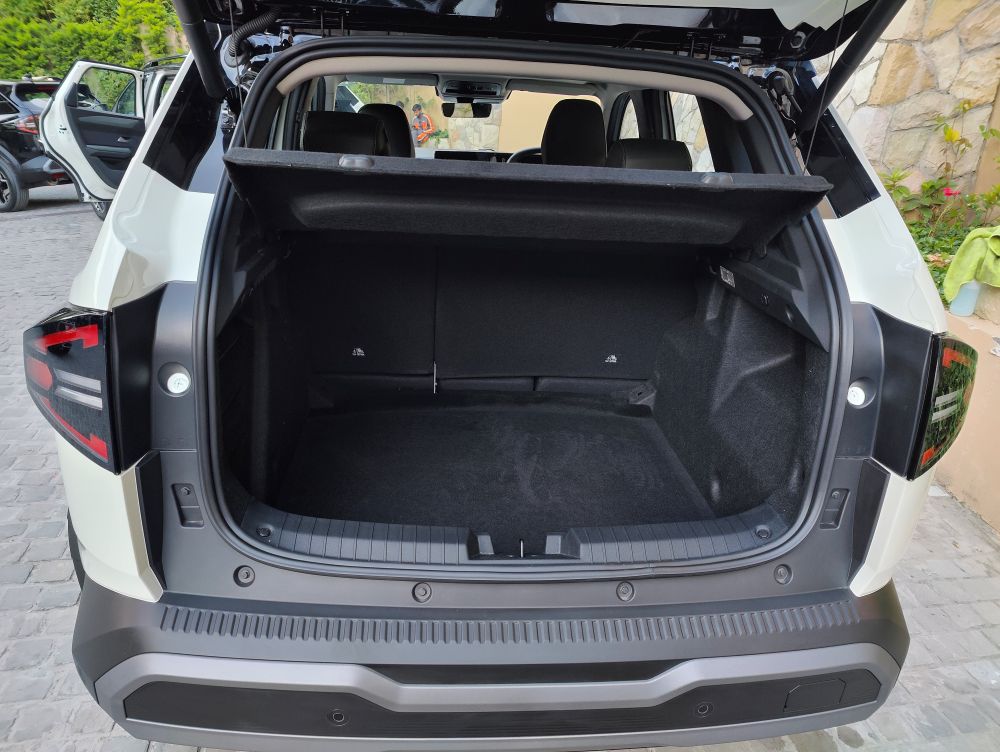
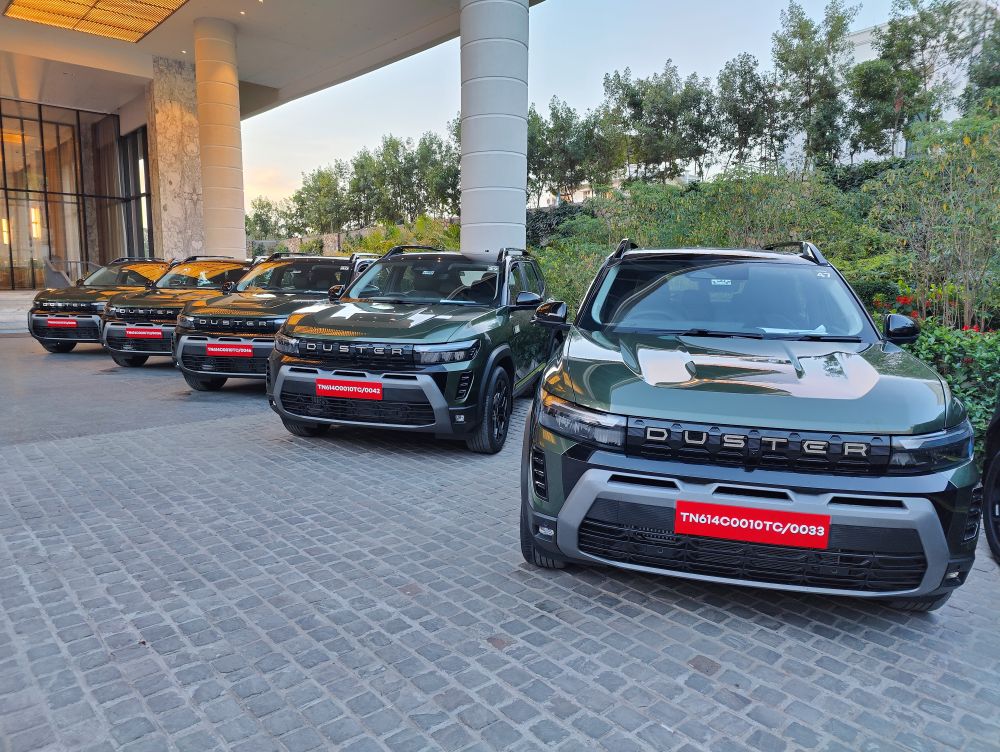
By the end of the drive, one thing was clear—the Duster may have changed, but its core hasn’t. It still feels like a car built to be driven, not just shown. Even visually, the Duster feels more premium now. There’s a bit more shine, a bit more polish—but thankfully, it hasn’t lost its rugged soul.
A day before the drive, one of the senior officials of Renault India casually asked me what I thought about the pricing. While a couple of fellow journalists seemed quite impressed, I was a bit reserved—I felt it was decent, but not particularly striking. But that changed after the drive.
As I stepped out of the car, having experienced what it offers on the road, the pricing suddenly made a lot more sense. In fact, it began to feel quite aggressive. And when you add the 7-year transferable warranty into the mix, it only strengthens the case. It’s the kind of value that you don’t fully appreciate until you’ve spent time behind the wheel.