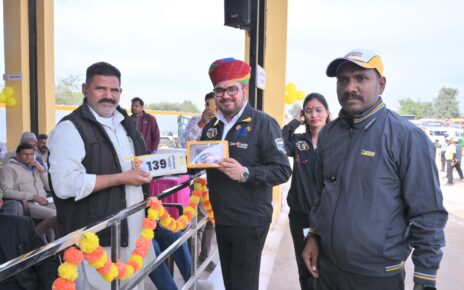
According to the company, India’s pre-owned car market is moving into a new era of growth, trust, and technology—powered by rapid digitalisation.
India’s pre-owned car market is moving into a new and exciting chapter. According to the 7th edition of the Indian Blue Book (IBB), the sector touched 5.9 million units in FY24–25 and is on track to grow at nearly 10% CAGR, reaching about 9.5 million units by 2030. The annual report paints a picture of a market that is not just expanding but also maturing, premiumising, and consolidating rapidly.
A major shift is happening in consumer preferences. SUVs, especially compact ones, are becoming the top choice even for buyers on a budget. Brand loyalty remains strong, with 42% of customers ready to buy the same brand again. Interestingly, non-metro buyers are emerging as the most enthusiastic adopters of pre-owned cars, often returning for repeat purchases as their comfort and confidence grow.
Technology is playing a powerful role in shaping this transformation. AI-enabled platforms are becoming popular, strengthening trust through detailed inspections, transparent certifications, and predictive insights that help buyers make informed decisions. Generative AI is set to redefine how young, digital-first consumers search for and choose their cars.
Organised players are leading this shift by combining data, technology, and a customer-first approach, meeting the growing demand for clarity and confidence in the pre-owned market.
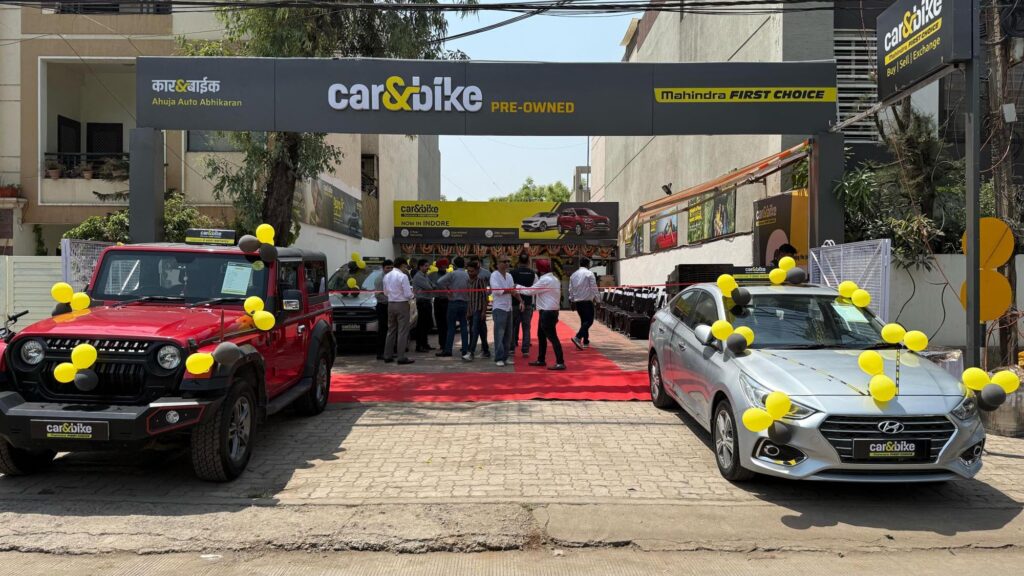
Speaking to this publication about what sets the 7th edition of the IBB apart, Mr. Mohammed Turra, MD & CEO of Mahindra First Choice (MFC), said the report reflects the spirit of a maturing industry. He explained that this year’s edition brings together deep data analytics and behavioural insights from customers, dealers, and OEMs. Over the years, multiple business models have been tested, and the sector has steadily shifted from an unorganised marketplace to a more structured, full-stack ecosystem. While the industry has matured significantly, it continues to evolve toward greater trust and transparency—especially with AI redefining how cars are inspected, valued, and sold.
Mr. Turra added that the report explores all these themes in detail and looks ahead to 2030, when the pre-owned car industry is expected to touch the 10-million mark. It is a journey built on stronger technology, smarter customers, and a fast-growing appetite for reliable, high-quality pre-owned vehicles—signals of an industry coming into its own.
Trust and Data Driving Fair Valuations
According to Mr. Turra, IBB’s biggest strength comes from the sheer depth of data behind it. Because MFC works across the entire aftermarket—from serving customers to supporting enterprises—it collects real transaction data from every part of the country. Millions of these real-world records are analysed using proprietary AI models that factor in region, demand, age, mileage, ownership patterns, and even accident history. This creates a dynamic, transparent valuation system that minimises guesswork and reflects true market conditions.
Verification has long been a pain point for used-car dealers, especially when it comes to ownership claims or tampering. MFC tackles this with a process built entirely on trust and digital authentication. Every car goes through a detailed inspection, supported by digital checks on service history, insurance, and RTO records. This flags issues like odometer rollback or unreported accidents early, making “certified” genuinely mean “verified” for both buyers and sellers.
One of the biggest challenges in sourcing quality cars is balancing what sellers expect and what dealers can offer. MFC bridges this through its full-stack model, especially at new-car dealerships’ exchange counters, he said. Traditionally, dealers reduce quotes to protect themselves because selling the used car later is risky and slow. MFC solves this by giving them digital tools, on-ground infrastructure, and value-added services like warranty and certification to confidently sell these vehicles. By using technology and operational efficiency to remove friction and risk, MFC unlocks value that benefits everyone in the ecosystem, he said.
Smarter Finance, Smarter Systems
Financing a used car is often tricky because every vehicle is different, making it hard for banks to know its true value. MFC tackles this by removing uncertainty at the root. A nationwide inspection team performs detailed checks on each car, and the findings go straight into the IBB pricing algorithm. This produces a clear, data-backed valuation that lenders can trust. With the risk reduced, banks approve loans faster and offer better rates. MFC also works closely with major financiers so that the entire loan process—from application to disbursement—feels smooth for both dealers and buyers.
Digitalisation drives every part of MFC’s ecosystem, Mr. Turra emphasised, adding that the company is also testing advanced AI tools that use imaging and sound to analyse vehicles, and expanding integrations with insurers, financiers, and OEMs to deliver full transparency across the buying journey.
Sharing his views on GST rationalisation Mr. Turra said it has created a ripple effect in the used car space. Lower new-car prices have temporarily pushed down used-car prices, causing a short-term imbalance for older inventory. But the long-term impact is positive: as new car sales grow, more young, well-maintained vehicles flow into the pre-owned market. This strengthens quality and boosts buyer confidence. Organised full-stack players stand to gain the most, as OEM-backed trade-ins and certified programmes become more common, helping formalise the entire sector.